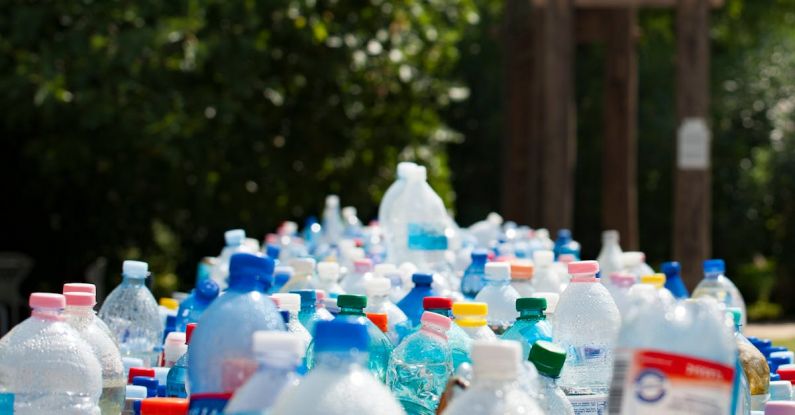
Understanding the Impact of Plastic Waste
Plastic waste has become a pressing global issue, with its environmental impact reaching alarming levels. The widespread use of plastics in various industries and daily life activities has led to a significant increase in plastic waste generation. Understanding the repercussions of plastic waste is crucial to addressing the challenges it poses to our planet and finding sustainable solutions for a cleaner and healthier environment.
The Pervasive Presence of Plastic Waste
Plastic waste has infiltrated nearly every corner of the Earth, from the deepest oceans to the highest mountains. Its durability and resistance to degradation make it a persistent pollutant that can linger in the environment for hundreds of years. The proliferation of single-use plastics exacerbates the problem, as these items are often discarded after a brief use, contributing to the accumulation of waste in landfills and natural habitats.
Impact on Wildlife
One of the most devastating consequences of plastic waste is its impact on wildlife. Marine animals, in particular, are vulnerable to ingesting or becoming entangled in plastic debris. Seabirds, turtles, and marine mammals often mistake plastic items for food, leading to ingestion-related injuries and fatalities. The presence of microplastics in the food chain further amplifies the problem, posing a risk to both aquatic and terrestrial species.
Environmental Degradation
Plastic waste also poses a significant threat to the environment, affecting ecosystems and natural landscapes. Improper disposal of plastics can leach harmful chemicals into the soil and water, contaminating habitats and endangering plant and animal life. The visual pollution caused by plastic litter diminishes the aesthetic appeal of natural surroundings and can have long-term consequences on tourism and local economies.
Human Health Concerns
In addition to environmental impacts, plastic waste poses potential risks to human health. The breakdown of plastics into microplastics has led to their presence in food and water sources, raising concerns about the ingestion of these particles and their potential health effects. The use of plastic packaging in food storage and preparation also introduces opportunities for chemical leaching, further highlighting the need to address plastic waste management practices.
Sustainable Solutions
Addressing the issue of plastic waste requires a multi-faceted approach that involves individuals, industries, and governments working together to implement sustainable solutions. Reducing the consumption of single-use plastics, promoting recycling and waste management initiatives, and supporting innovation in eco-friendly alternatives are essential steps towards mitigating the impact of plastic waste on the environment.
Community Engagement and Education
Raising awareness about the consequences of plastic waste and fostering a sense of responsibility among communities are critical components of any successful waste management strategy. Education campaigns, beach clean-up initiatives, and recycling programs can empower individuals to make informed choices and take action to reduce their plastic footprint. By engaging the public in environmental conservation efforts, we can collectively contribute to a cleaner and greener future.
A Call to Action
The detrimental effects of plastic waste on the environment and wildlife necessitate urgent action to address this global challenge. As individuals, we can make a difference by adopting sustainable practices such as reducing plastic consumption, recycling responsibly, and supporting initiatives that promote eco-friendly alternatives. By taking proactive steps to combat plastic waste, we can safeguard the health of our planet for future generations and create a more sustainable world for all.