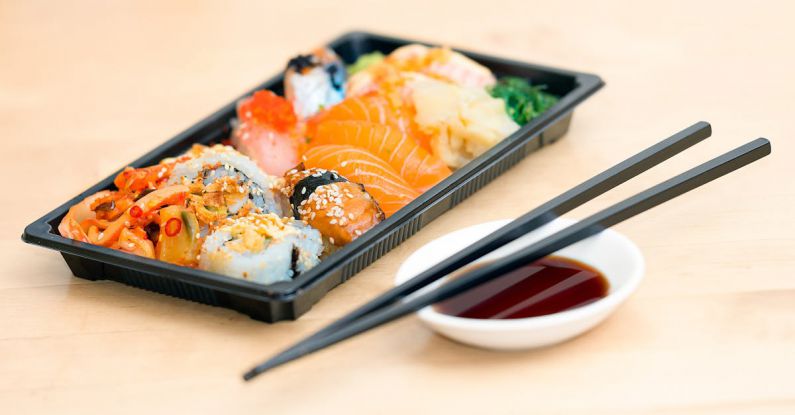
Traditional Japanese Sushi – Step by Step Guide
Sushi, a beloved and iconic dish of Japanese cuisine, has garnered worldwide popularity for its exquisite flavors and artistic presentation. While many may associate sushi with raw fish, there are various types of sushi that cater to different tastes and preferences. In this step-by-step guide, we will delve into the art of crafting traditional Japanese sushi, highlighting the key ingredients, techniques, and tips to create your own delectable sushi masterpiece.
Selecting the Ingredients
The foundation of any exceptional sushi dish lies in the quality of its ingredients. When preparing traditional Japanese sushi, the primary components include sushi rice, nori (seaweed sheets), fresh fish or vegetables, and essential condiments such as soy sauce, wasabi, and pickled ginger. It is crucial to source fresh, high-quality ingredients to ensure the authenticity and taste of your sushi creation.
Preparing the Sushi Rice
Sushi rice, also known as sumeshi, serves as the base of the sushi roll and plays a fundamental role in determining the overall flavor and texture of the dish. To prepare sushi rice, rinse the rice thoroughly to remove excess starch, then cook it in a rice cooker or pot. Once the rice is cooked, gently fold in a mixture of rice vinegar, sugar, and salt to create the seasoned sushi rice. The rice should be sticky yet firm, with a balanced sweet and tangy flavor.
Assembling the Sushi Roll
To assemble a classic sushi roll, lay a sheet of nori on a bamboo sushi mat, shiny side down. Wet your hands with water to prevent the rice from sticking, then evenly spread a layer of sushi rice over the nori, leaving a small gap at the top. Arrange your choice of fillings, such as sliced sashimi-grade fish, avocado, cucumber, or tempura shrimp, along the bottom edge of the rice. Using the bamboo mat as a guide, tightly roll the sushi into a cylinder, applying gentle pressure to secure the ingredients.
Perfecting the Sushi Cut
After rolling the sushi, use a sharp knife dipped in water to slice the roll into bite-sized pieces. To achieve clean and uniform cuts, ensure that the knife is sharp and that you use a gentle sawing motion to prevent squishing the roll. For a professional touch, wipe the knife clean between each cut to maintain precision and presentation.
Exploring Sushi Varieties
While the traditional sushi roll is a classic favorite, Japanese cuisine offers a diverse range of sushi varieties to suit every palate. Temaki sushi, or hand rolls, feature a cone-shaped seaweed wrap filled with rice and assorted ingredients, perfect for a quick and portable snack. Nigiri sushi consists of a small mound of sushi rice topped with fresh fish or seafood, showcasing the simplicity and quality of the ingredients. For a unique twist, try creating inside-out rolls, known as uramaki, where the rice is on the outside and the nori is tucked inside.
Elevating Your Sushi Experience
To elevate your sushi experience, consider experimenting with different flavor combinations and presentations to showcase your creativity and culinary skills. Incorporate seasonal ingredients, such as fresh mango or asparagus, to add a vibrant touch to your sushi rolls. Additionally, don’t be afraid to play with textures and garnishes, such as sesame seeds, tobiko (flying fish roe), or spicy mayo, to enhance the visual appeal and taste of your sushi creations.
Embracing the Art of Japanese Sushi
In conclusion, traditional Japanese sushi is more than just a dish – it is a culinary art form that celebrates the harmony of flavors, textures, and aesthetics. By following this step-by-step guide and embracing the techniques and ingredients of Japanese cuisine, you can embark on a flavorful journey to create your own authentic sushi masterpieces. Whether you are a novice or seasoned sushi enthusiast, the art of sushi-making offers endless opportunities for creativity and enjoyment. So gather your ingredients, sharpen your knives, and let the art of Japanese sushi inspire your culinary adventures.