The Power of Play in Child Development
Play is a fundamental aspect of childhood that goes beyond mere entertainment. It serves as a powerful tool for learning and development, shaping crucial skills and behaviors that are essential for a child’s growth. The significance of play in child development cannot be understated, as it plays a pivotal role in fostering creativity, social skills, emotional regulation, and cognitive abilities. Through play, children explore the world around them, experiment with different roles, and engage in problem-solving activities that contribute to their overall development.
### The Role of Play in Cognitive Development
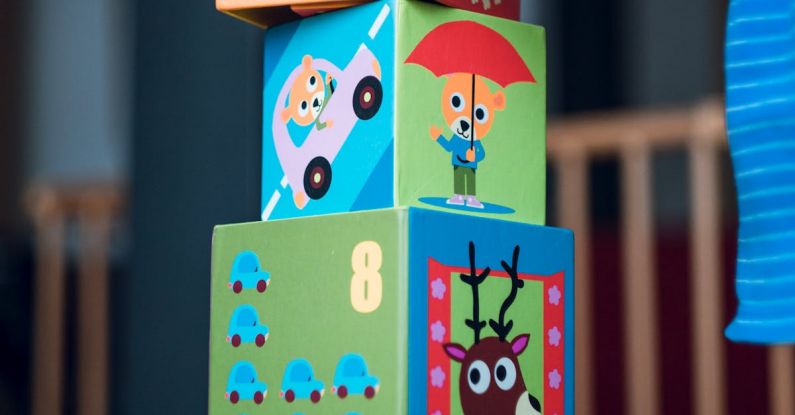
Play is intricately linked to cognitive development in children, as it provides opportunities for them to engage in imaginative and exploratory activities that stimulate their brains. During play, children use their creativity to come up with new ideas, solve problems, and make connections between different concepts. This process not only enhances their cognitive abilities but also improves their critical thinking skills. Through activities such as building blocks, puzzles, and pretend play, children learn to think critically, make decisions, and adapt to new situations, all of which are essential skills for success in school and beyond.
### The Impact of Play on Social Skills
Play is also crucial for the development of social skills in children, as it allows them to interact with their peers, practice communication, and learn how to cooperate and collaborate. Through play, children develop important social skills such as sharing, taking turns, and resolving conflicts, all of which are essential for building positive relationships with others. Play provides a safe and supportive environment for children to learn how to navigate social interactions, express their emotions, and understand the perspectives of others, fostering empathy and compassion.
### The Influence of Play on Emotional Regulation
Emotional regulation is another key area of development that is greatly influenced by play. Play provides children with an outlet for expressing their emotions, processing difficult experiences, and developing coping strategies. Through play, children learn to identify and regulate their emotions, manage stress and anxiety, and build resilience in the face of challenges. Play allows children to explore their feelings in a safe and supportive environment, helping them develop a sense of self-awareness and emotional intelligence that will serve them well throughout their lives.
### The Importance of Play in Physical Development
Physical play, such as running, jumping, climbing, and dancing, is essential for the development of gross and fine motor skills in children. Engaging in physical play helps children build strength, coordination, and balance, improving their overall physical fitness and well-being. Physical play also contributes to the development of sensory skills, as children use their senses to explore their environment, manipulate objects, and engage in hands-on activities. By encouraging children to be physically active through play, parents and caregivers can support their physical development and lay the foundation for a healthy lifestyle.
### Nurturing Creativity Through Play
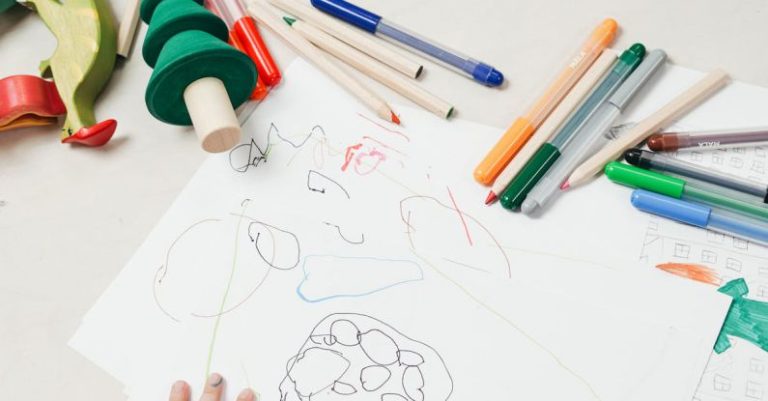
Creativity is a vital skill that is nurtured through play, as children are encouraged to use their imagination, explore new ideas, and think outside the box. Play provides children with the freedom to express themselves creatively, experiment with different materials, and engage in open-ended activities that inspire them to think creatively. By encouraging creative play, parents and caregivers can help children develop their artistic abilities, problem-solving skills, and innovative thinking, fostering a lifelong love of learning and exploration.
### Embracing Play for Holistic Child Development
In conclusion, play is a powerful force in child development that influences cognitive, social, emotional, and physical growth in profound ways. By embracing play as a natural and essential part of childhood, parents and caregivers can support children in their journey of discovery, learning, and self-expression. Through play, children develop the skills, attitudes, and behaviors that will enable them to navigate the complexities of the world with confidence and resilience. As we recognize and celebrate the power of play in child development, we pave the way for a brighter and more enriching future for our children.