The Influence of Technology on Modern Banking
With the rapid advancement of technology, the banking sector has undergone a significant transformation over the years. The influence of technology on modern banking has revolutionized the way financial institutions operate and how customers interact with their banks. From online banking to mobile payments, technology has not only made banking more convenient but has also enhanced security measures and improved overall efficiency.
Enhanced Customer Experience
One of the most significant impacts of technology on modern banking is the enhanced customer experience. Gone are the days when customers had to visit a physical branch to carry out basic banking transactions. With the advent of online banking and mobile apps, customers can now access their accounts, transfer funds, pay bills, and even apply for loans from the comfort of their homes. This level of convenience has reshaped the way customers perceive banking services, making them more accessible and user-friendly.
Furthermore, the introduction of chatbots and AI-powered customer service tools has revolutionized customer support in the banking industry. These tools can provide instant assistance to customers, answer queries, and even help with basic transactional tasks. This real-time support has significantly reduced waiting times and improved overall customer satisfaction.
Security Measures
Technology has also played a crucial role in enhancing security measures within the banking sector. With the rise of cyber threats and online fraud, banks have invested heavily in implementing robust security protocols to protect customer data and financial transactions. Advanced encryption techniques, biometric authentication, and multi-factor authentication have become standard practices in modern banking, ensuring that customer information remains secure and protected.
Moreover, the use of AI and machine learning algorithms has enabled banks to detect and prevent fraudulent activities in real-time. These technologies can analyze vast amounts of data to identify suspicious patterns and anomalies, allowing banks to take immediate action to mitigate potential risks. As a result, customers can have peace of mind knowing that their funds are safeguarded against unauthorized access and fraudulent activities.
Efficiency and Innovation
Technology has significantly improved the efficiency of banking operations, enabling financial institutions to streamline processes and reduce operational costs. Automated systems for loan approvals, account openings, and transaction processing have expedited the decision-making process and eliminated the need for manual intervention. This has not only reduced the turnaround time for various banking services but has also improved accuracy and minimized errors.
In addition to efficiency gains, technology has also fueled innovation within the banking sector. Fintech companies have emerged as disruptors, introducing innovative solutions such as peer-to-peer lending, robo-advisors, and digital wallets. These technologies have provided customers with alternative banking options and have forced traditional banks to innovate and adapt to changing customer preferences. As a result, the banking industry has become more competitive and customer-centric, driving further advancements in technology and service offerings.
The Future of Technology in Banking
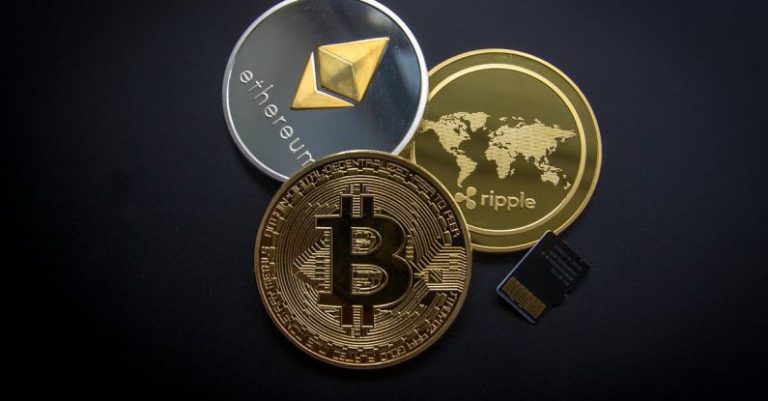
As technology continues to evolve at a rapid pace, the future of banking holds even more exciting possibilities. The adoption of blockchain technology and cryptocurrencies could revolutionize the way financial transactions are conducted, providing faster and more secure payment options. Similarly, the rise of open banking initiatives and API integration could lead to greater collaboration between banks and third-party service providers, offering customers a more personalized and integrated banking experience.
In conclusion, the influence of technology on modern banking has been transformative, reshaping the industry in profound ways. From enhanced customer experience to improved security measures and increased efficiency, technology has become an integral part of the banking ecosystem. As the pace of technological innovation accelerates, banks must continue to embrace new technologies and adapt to changing consumer demands to stay competitive in the digital age.