Impact of Climate Change on Wildlife
Climate change is a pressing issue that affects various aspects of our planet, including wildlife. The impact of climate change on wildlife is profound and far-reaching, leading to changes in ecosystems, habitats, and ultimately, the survival of many species. As the Earth’s climate continues to warm at an alarming rate, it is crucial to understand the implications for wildlife and take action to mitigate these effects.
Changing Habitats
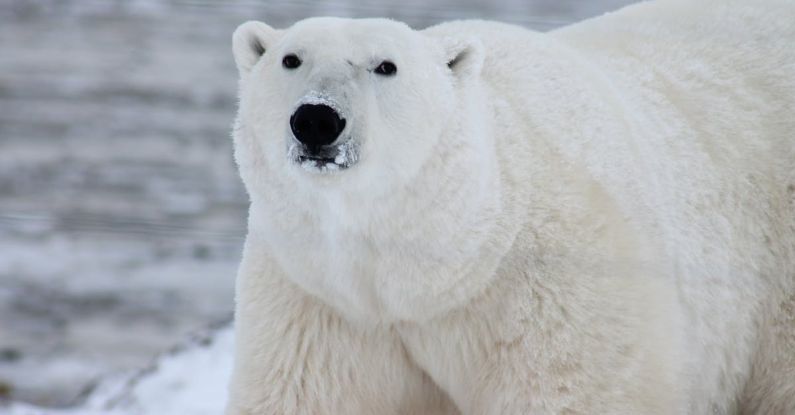
One of the most significant impacts of climate change on wildlife is the alteration of habitats. Rising temperatures and changing weather patterns are leading to shifts in vegetation, water sources, and food availability, forcing many species to adapt or face extinction. Animals that rely on specific habitats, such as polar bears in the Arctic or koalas in Australia, are particularly vulnerable to these changes. As their habitats disappear or become unsuitable, these species are left with limited options for survival.
Disruption of Migration Patterns
Many species of wildlife rely on seasonal migrations to find food, breed, or escape harsh weather conditions. However, climate change is disrupting these migration patterns, leading to confusion and potential population declines. Warmer temperatures can cause plants to bloom earlier, throwing off the timing of migration for animals that depend on these cues. Additionally, extreme weather events, such as storms and droughts, can create barriers to migration routes, further endangering wildlife populations.
Loss of Biodiversity
Climate change poses a significant threat to biodiversity, as many species struggle to adapt to rapidly changing conditions. The loss of biodiversity not only affects individual species but also disrupts entire ecosystems. For example, the decline of pollinators like bees and butterflies can have cascading effects on plant populations and the animals that rely on them for food. Without a diverse array of species to support ecosystem functions, the stability and resilience of these systems are compromised.
Increased Extinction Risk
As habitats change and biodiversity declines, many species face an increased risk of extinction due to climate change. Animals that are already at risk, such as those with limited ranges or specialized diets, are particularly vulnerable to the impacts of a changing climate. Without intervention, these species may be unable to adapt quickly enough to survive, leading to irreversible losses in global biodiversity. Conservation efforts are crucial to protecting these vulnerable species and ensuring their survival in the face of climate change.
Human-Wildlife Conflict
Climate change can also exacerbate human-wildlife conflict as animals are forced to adapt to changing conditions. As habitats shrink and resources become scarce, wildlife may encroach on human settlements in search of food or shelter. This can lead to conflicts between humans and animals, resulting in negative outcomes for both parties. Finding sustainable solutions to mitigate these conflicts is essential to ensuring the coexistence of wildlife and human populations in a changing climate.
Adaptation and Conservation Strategies
Despite the challenges posed by climate change, there are opportunities to mitigate its impacts on wildlife through adaptation and conservation strategies. Protecting and restoring habitats, creating wildlife corridors, and reducing other stressors on wildlife populations can help increase their resilience to changing conditions. Additionally, incorporating climate change considerations into conservation planning and policy-making can help ensure the long-term survival of vulnerable species.
In conclusion, the impact of climate change on wildlife is a critical issue that requires urgent attention and action. By understanding the implications of a changing climate on habitats, migration patterns, biodiversity, and extinction risk, we can work towards implementing effective conservation strategies to protect vulnerable species. It is essential to prioritize the preservation of wildlife in the face of climate change to ensure the health and stability of ecosystems for future generations.