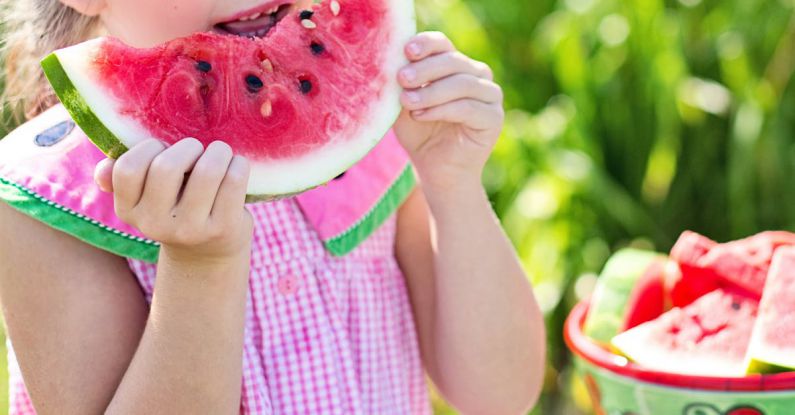
Foster Healthy Eating Habits in Children
Encouraging children to adopt healthy eating habits from a young age is crucial for their overall well-being and development. As parents and caregivers, it is our responsibility to foster these habits early on to set them up for a lifetime of good health. By instilling positive attitudes towards nutritious foods and creating a supportive environment, we can help our children make healthier choices and develop a positive relationship with food.
**Lead by Example**
Children learn by example, and one of the most effective ways to encourage healthy eating habits is by modeling them ourselves. When children see their parents and caregivers making nutritious food choices and enjoying a variety of fruits, vegetables, whole grains, and lean proteins, they are more likely to follow suit. Make meal times a positive and enjoyable experience by sitting down together as a family and sharing healthy meals. Avoid using food as a reward or punishment and instead focus on the pleasure of eating nourishing foods.
**Get Kids Involved**
Engage children in meal preparation and grocery shopping to help them develop a sense of ownership over their food choices. Let them choose fruits and vegetables at the store, involve them in meal planning, and encourage them to help out in the kitchen. By involving children in the process, they are more likely to try new foods and develop an appreciation for healthy eating. Cooking together can also be a fun and educational activity that teaches children about nutrition and food preparation.
**Offer a Variety of Foods**
Introduce children to a wide variety of foods from an early age to expand their palate and encourage them to try new things. Offer a rainbow of fruits and vegetables, whole grains, lean proteins, and dairy products to ensure they are getting the nutrients they need for optimal growth and development. Encourage children to taste new foods without pressure, and be patient if they are hesitant at first. Research shows that it can take multiple exposures to a new food before a child will accept it, so persistence is key.
**Limit Processed Foods and Sugary Drinks**
One of the biggest obstacles to healthy eating habits in children is the prevalence of processed foods and sugary drinks in today’s society. These items are often high in added sugars, unhealthy fats, and empty calories, which can contribute to weight gain and a host of health problems. Limit the availability of these items in your home and instead focus on whole, nutrient-dense foods that nourish the body. Encourage children to drink water or milk instead of sugary beverages and offer whole fruits as snacks rather than pre-packaged treats.
**Create a Positive Eating Environment**
Make mealtimes a positive and relaxed experience by creating a pleasant eating environment free from distractions. Turn off screens, such as TVs and phones, and focus on enjoying the meal together as a family. Encourage children to listen to their hunger and fullness cues and avoid pressuring them to clean their plate. By creating a positive eating environment, children are more likely to develop healthy eating habits and a positive relationship with food.
**Rewards and Praise**
Instead of using food as a reward, offer praise and encouragement for healthy eating choices. Celebrate small victories, such as trying a new food or eating a well-balanced meal, to reinforce positive behavior. Use non-food rewards, such as stickers, extra playtime, or a fun outing, to incentivize healthy eating habits. By focusing on the benefits of nutritious foods and positive reinforcement, children will be motivated to make healthier choices on their own.
**Encourage Physical Activity**
In addition to healthy eating habits, regular physical activity is essential for children’s overall health and well-being. Encourage children to be active every day by engaging in fun and age-appropriate activities, such as playing outside, riding bikes, or participating in sports. Physical activity not only helps children maintain a healthy weight but also promotes strong bones, muscles, and overall physical fitness. By combining healthy eating habits with regular exercise, children can develop lifelong habits that support their well-being.
**Nurturing Healthy Eating Habits for Life**
By fostering healthy eating habits in children from a young age, we can set them on a path to a lifetime of good health and well-being. Lead by example, get kids involved in meal preparation, offer a variety of foods, limit processed foods, create a positive eating environment, and provide praise and encouragement for healthy choices. By instilling these habits early on and creating a supportive environment, we can empower our children to make positive food choices that will benefit them for years to come.