Embrace Tiny Living for a Minimal Environmental Footprint
In a world where consumerism and excess have become the norm, the concept of tiny living is gaining traction as a sustainable and minimalist way of life. By downsizing living spaces and possessions, individuals can significantly reduce their environmental footprint and live more intentionally. Embracing tiny living is not just about living in a small space; it’s a mindset shift towards simplicity, mindfulness, and eco-consciousness.
The Rise of Tiny Living
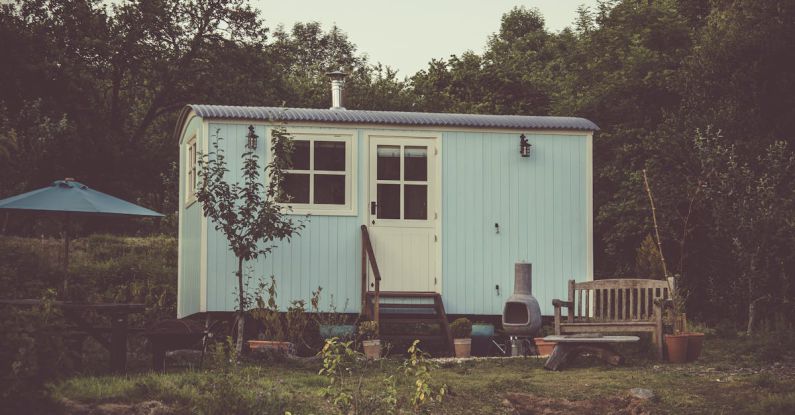
The tiny living movement has been steadily growing in popularity in recent years, driven by a desire to live more sustainably and reduce one’s impact on the environment. Tiny houses, typically ranging from 100 to 400 square feet in size, have become a symbol of minimalist living and sustainable design. Embracing tiny living means prioritizing quality over quantity, experiences over possessions, and sustainability over excess.
Minimal Environmental Footprint
One of the most significant benefits of tiny living is its minimal environmental footprint. Smaller living spaces require fewer resources to build and maintain, resulting in lower energy consumption, reduced waste production, and a smaller carbon footprint. Tiny houses are often built using sustainable materials and energy-efficient design principles, further minimizing their environmental impact. Additionally, living in a smaller space encourages individuals to consume less, leading to decreased resource extraction and waste generation.
Sustainable Lifestyle Choices
Embracing tiny living goes beyond just living in a small house; it involves adopting a holistic approach to sustainable living. Tiny house dwellers often prioritize renewable energy sources, such as solar panels and wind turbines, to power their homes. They also practice water conservation techniques, such as rainwater harvesting and greywater recycling, to reduce their water usage. Furthermore, many tiny house communities promote sustainable agriculture practices, such as permaculture and organic gardening, to grow their own food and reduce their reliance on industrial agriculture.
Mindful Consumption
Living in a tiny house requires individuals to be more mindful of their consumption habits. With limited storage space, tiny house dwellers are forced to carefully consider each purchase and prioritize items that add value to their lives. This shift towards intentional consumption not only reduces waste but also promotes a more minimalist and clutter-free lifestyle. By embracing tiny living, individuals can break free from the cycle of consumerism and focus on what truly matters to them.
Community Connection
Despite their small size, tiny houses have the power to foster a strong sense of community and connection among residents. Tiny house communities often emphasize collaboration, resource-sharing, and mutual support, creating a supportive and inclusive environment for like-minded individuals. By living in close proximity to one another, tiny house dwellers can build meaningful relationships, share knowledge and skills, and work together towards common goals, such as sustainable living and environmental conservation.
A Sustainable Future
As the world grapples with environmental challenges such as climate change and resource depletion, embracing tiny living offers a glimpse into a more sustainable future. By prioritizing simplicity, mindfulness, and eco-consciousness, individuals can reduce their environmental impact and contribute to a healthier planet for future generations. Whether it’s through living in a tiny house, downsizing possessions, or adopting sustainable lifestyle choices, each small step towards tiny living can make a significant difference in building a more sustainable world.