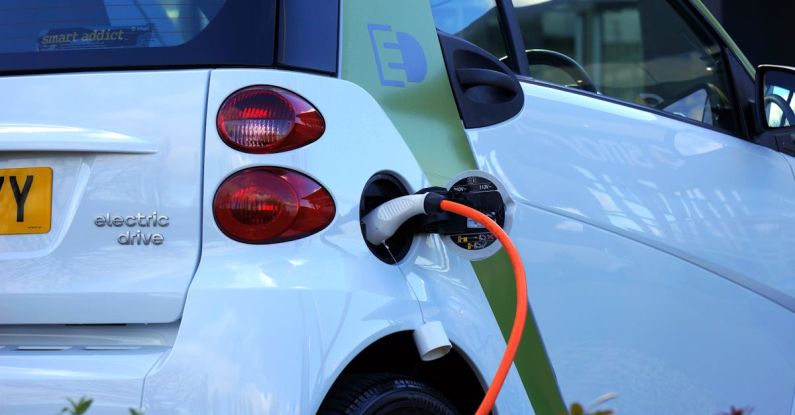
Electric Cars: a Step to a Cleaner Future
As the world grapples with the urgent need to address climate change and reduce carbon emissions, the transition to electric vehicles (EVs) has emerged as a crucial step towards a cleaner and more sustainable future. With advancements in technology and growing environmental awareness, electric cars are becoming an increasingly viable and attractive option for consumers worldwide. In this article, we will delve into the benefits of electric cars and explore how they are paving the way for a greener tomorrow.
The Rise of Electric Vehicles
The automotive industry is undergoing a significant transformation, driven by the shift towards cleaner and greener transportation options. Electric vehicles, once considered a niche market, have now entered the mainstream, with major automakers investing heavily in EV technology and production. The increasing availability of electric car models across different price ranges and segments has made them more accessible to a wider audience, contributing to their rising popularity.
Environmental Benefits of Electric Cars
One of the most compelling reasons to switch to an electric car is their significant environmental benefits. Unlike traditional gasoline-powered vehicles, electric cars produce zero tailpipe emissions, reducing harmful pollutants such as carbon dioxide, nitrogen oxides, and particulate matter that contribute to air pollution and climate change. By driving an electric car, individuals can lower their carbon footprint and help combat global warming, making a positive impact on the environment.
Another key advantage of electric cars is their energy efficiency. Electric motors are inherently more efficient than internal combustion engines, converting a higher percentage of energy from the grid into power to drive the vehicle. This efficiency not only reduces energy waste but also translates into cost savings for consumers, as electric cars are generally cheaper to operate and maintain compared to traditional vehicles.
The Role of Renewable Energy
To fully realize the environmental benefits of electric cars, it is essential to consider the source of electricity used to charge them. By pairing electric vehicles with renewable energy sources such as solar, wind, and hydroelectric power, it is possible to create a truly sustainable transportation ecosystem. Renewable energy generation helps to further reduce carbon emissions associated with electric cars, making them an even cleaner alternative to fossil fuel-powered vehicles.
Charging Infrastructure and Range Anxiety
One of the primary concerns for potential electric car buyers is the availability of charging infrastructure and range anxiety. However, significant progress has been made in expanding the network of charging stations, making it easier for EV owners to recharge their vehicles both at home and on the go. Fast-charging technologies continue to improve, reducing charging times and increasing convenience for drivers.
Moreover, the range of electric cars has been steadily increasing, with many models now offering ranges that can rival or exceed those of traditional gasoline vehicles. As battery technology advances and becomes more affordable, the issue of range anxiety is expected to diminish, making electric cars a practical choice for daily commuting and long-distance travel.
Economic Incentives and Government Support
Governments around the world are implementing various incentives and policies to accelerate the adoption of electric vehicles. These include financial incentives such as tax credits, rebates, and subsidies for EV purchases, as well as initiatives to expand charging infrastructure and promote renewable energy adoption. By supporting the transition to electric cars, governments are not only encouraging environmental sustainability but also stimulating innovation and economic growth in the clean energy sector.
A Greener Tomorrow with Electric Cars
The transition to electric vehicles represents a crucial step towards a cleaner and more sustainable future. By embracing electric cars, individuals can contribute to reducing air pollution, combatting climate change, and promoting energy efficiency. With ongoing advancements in technology and growing environmental consciousness, electric cars are poised to play a significant role in shaping a greener tomorrow for generations to come.