How to Start Composting at Home
Composting at home is a simple and eco-friendly way to reduce waste and create nutrient-rich soil for your plants. Whether you have a large backyard or a small apartment balcony, composting is a practical and sustainable solution that anyone can do. By following a few easy steps, you can start composting at home and make a positive impact on the environment.
Choosing the Right Location
Selecting the right location for your compost pile is essential for its success. Ideally, you want to place your compost bin in a spot that is convenient for you to access regularly. This could be in your backyard, on a balcony, or even under your kitchen sink if you opt for a small indoor composting system. Make sure the location is well-drained and receives a good amount of sunlight to help speed up the composting process.
Setting Up Your Compost Bin
Once you have chosen a suitable location, it’s time to set up your compost bin. You can purchase a compost bin from a gardening store or even make one yourself using materials like wood pallets or plastic storage bins. Make sure your compost bin has good ventilation to allow for airflow, which is crucial for the decomposition process. Additionally, layering your compost materials with a mix of greens (nitrogen-rich materials like fruit scraps, grass clippings) and browns (carbon-rich materials like dry leaves, newspaper) will help create a healthy balance in your compost pile.
What to Compost
Knowing what materials to compost is key to creating quality compost. In general, you can compost fruit and vegetable scraps, coffee grounds, tea bags, eggshells, yard waste, and shredded paper. Avoid composting meat, dairy, and oily foods, as they can attract pests and slow down the decomposition process. By following these guidelines, you can ensure that your compost pile remains healthy and odor-free.
Maintaining Your Compost Pile
Regular maintenance is essential to keep your compost pile in good condition. Turning your compost pile every few weeks helps aerate the materials and speed up decomposition. You can use a pitchfork or a compost turner to mix the contents of your compost bin thoroughly. Additionally, keeping your compost pile moist but not soggy is crucial for the breakdown of organic matter. If your compost pile looks dry, add some water to help activate the decomposition process.
Harvesting Your Compost
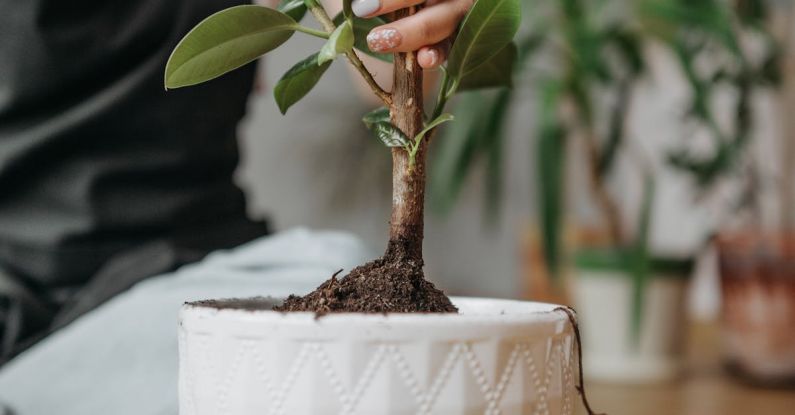
After a few months of composting, your organic waste will transform into rich, dark compost that resembles soil. At this stage, your compost is ready to be used in your garden or potted plants. Simply scoop out the finished compost from the bottom of your compost bin and spread it around your plants to provide them with essential nutrients. You can also mix the compost with potting soil to create a nutrient-rich growing medium for your indoor plants.
Benefits of Composting
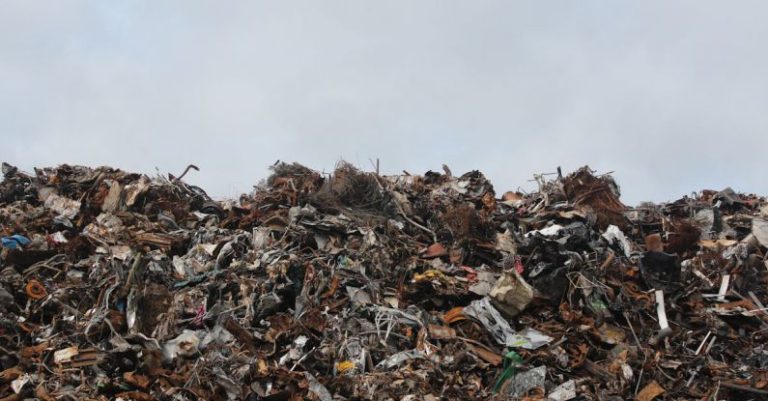
Composting offers a range of benefits for both you and the environment. By diverting organic waste from landfills, you can reduce methane emissions and minimize your carbon footprint. Additionally, composting enriches the soil with essential nutrients, improves soil structure, and promotes healthy plant growth. By incorporating composting into your daily routine, you can contribute to a more sustainable future for our planet.
Incorporating composting into your lifestyle is a simple and effective way to reduce waste and support a healthier environment. By following these easy steps, you can start composting at home and make a positive impact on the planet. Get started today and join the growing community of composters who are working towards a greener and more sustainable future.