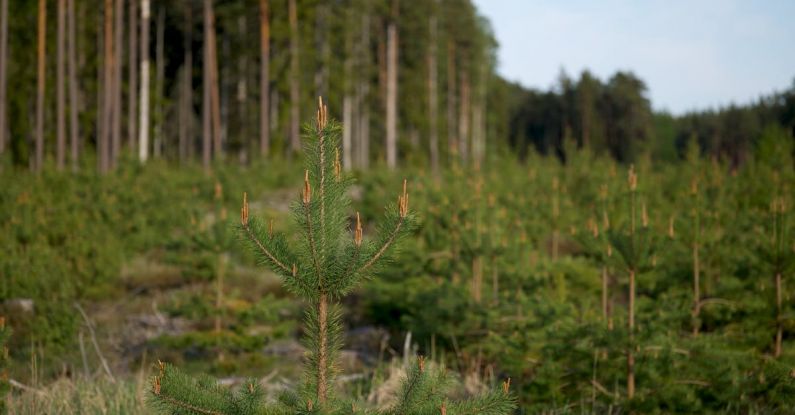
Planting for the Planet: Reforestation Efforts
Forests are known as the lungs of our planet, playing a crucial role in absorbing carbon dioxide and producing oxygen. However, deforestation has been a significant issue worldwide, leading to the loss of essential habitats, increased carbon emissions, and disrupted ecosystems. In response to this environmental crisis, reforestation efforts have gained momentum as a vital strategy to combat climate change and restore balance to our planet.
The Importance of Reforestation
Reforestation involves planting trees in areas where forests have been depleted or destroyed, with the goal of restoring ecosystems and increasing forest cover. This process is essential for several reasons. Firstly, trees act as carbon sinks, absorbing carbon dioxide from the atmosphere and storing it in their biomass. By increasing forest cover through reforestation, we can help mitigate the impacts of climate change by reducing greenhouse gas emissions.
Furthermore, forests are home to a diverse range of plant and animal species, many of which are unique and endangered. Reforestation efforts can help preserve biodiversity by providing habitats for these species to thrive and ensuring the survival of ecosystems that are essential for the health of our planet.
Reforestation also plays a crucial role in protecting watersheds and preventing soil erosion. Trees help regulate water cycles, reducing the risk of floods and droughts, while their roots stabilize soil and prevent it from being washed away. By planting trees in strategic locations, we can safeguard water resources and promote sustainable land use practices.
Successful Reforestation Initiatives Around the World
Across the globe, numerous reforestation initiatives have been launched to address the pressing need for forest restoration. One notable example is the Great Green Wall project in Africa, which aims to create a barrier of trees across the continent to combat desertification and promote sustainable land management. This initiative not only contributes to environmental conservation but also provides economic opportunities for local communities through agroforestry and sustainable land use practices.
In Brazil, the Amazon Rainforest – often referred to as the “lungs of the Earth” – has been a focal point for reforestation efforts. Organizations such as the Amazon Rainforest Conservancy work tirelessly to plant trees in deforested areas, restore degraded land, and raise awareness about the importance of preserving this vital ecosystem.
Closer to home, the United States has also seen successful reforestation initiatives take root. The National Forest Foundation partners with local communities, businesses, and volunteers to plant trees in national forests, improving wildlife habitats, enhancing water quality, and sequestering carbon to combat climate change.
The Future of Reforestation: A Call to Action
As the impacts of climate change become increasingly evident, the need for reforestation has never been more urgent. Governments, organizations, and individuals must come together to support and implement reforestation projects on a global scale. By planting trees, we can create a more sustainable future for generations to come, restore balance to our planet, and preserve the beauty and diversity of our natural world.
In conclusion, reforestation efforts are essential for combating climate change, preserving biodiversity, and protecting vital ecosystems. Through strategic planting and conservation initiatives, we can make a positive impact on the health of our planet and ensure a sustainable future for all living beings. Let us join hands and plant for the planet, one tree at a time.