Steps to Reduce Household Energy Consumption
Living in a world where environmental concerns are at the forefront of many discussions, finding ways to reduce household energy consumption has become increasingly important. Not only does cutting back on energy usage help to lower utility bills, but it also plays a crucial role in reducing our carbon footprint and preserving the planet for future generations. By implementing simple yet effective steps, households can make a significant impact in conserving energy and promoting sustainability.
**Audit Your Energy Usage**
Before making any changes to your household energy consumption, it’s essential to first understand where and how energy is being used. Conducting an energy audit is a great starting point to identify areas of improvement. Look for energy-wasting habits or appliances that consume a lot of power unnecessarily. This audit will provide valuable insights into where adjustments can be made to reduce energy consumption effectively.
**Upgrade to Energy-Efficient Appliances**
One of the most effective ways to reduce household energy consumption is by upgrading to energy-efficient appliances. Older appliances tend to consume more energy than newer models designed with energy-saving features. When shopping for new appliances, look for the Energy Star label, which indicates that the product meets strict energy efficiency guidelines set by the Environmental Protection Agency. While the initial cost may be higher, the long-term savings on energy bills make it a worthwhile investment.
**Unplug Electronics When Not in Use**
Many household electronics continue to consume energy even when they are turned off but remain plugged in. This phenomenon, known as standby power or vampire power, can contribute significantly to overall energy consumption. Make it a habit to unplug electronics such as televisions, computers, chargers, and other devices when they are not in use. Alternatively, consider using power strips that can be easily switched off to cut off power to multiple devices at once.
**Seal Leaks and Insulate Your Home**
Poor insulation and air leaks can result in energy wastage as heating and cooling systems work harder to maintain a comfortable indoor temperature. Inspect windows, doors, and other openings for drafts and seal them with weather stripping or caulking to prevent heat loss or gain. Additionally, proper insulation in walls, attics, and floors can help maintain a consistent temperature inside the home, reducing the workload on HVAC systems and lowering energy consumption.
**Adjust Your Thermostat**
Heating and cooling account for a significant portion of household energy consumption. By adjusting your thermostat settings, you can optimize energy usage and reduce utility costs. During the winter, lower the thermostat a few degrees and wear warm clothing indoors to save on heating expenses. In the summer, raise the thermostat setting and use fans to circulate cool air, reducing the need for air conditioning. Investing in a programmable thermostat can also help automate temperature adjustments based on your schedule.
**Utilize Natural Light and Energy-Efficient Lighting**
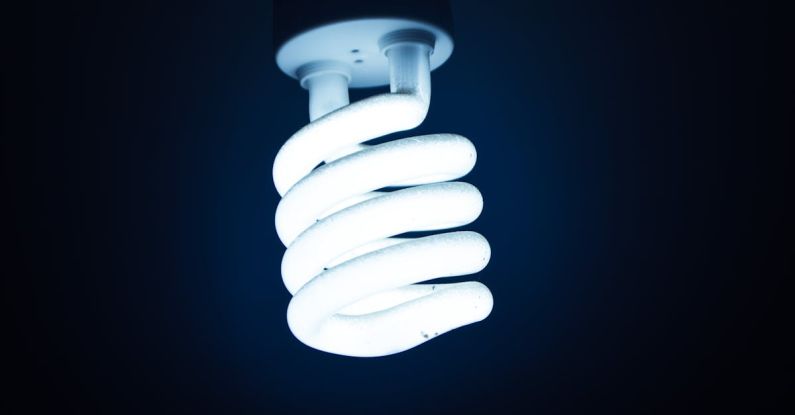
Take advantage of natural light during the day by opening curtains and blinds to reduce the need for artificial lighting. When using lighting fixtures, opt for energy-efficient LED or CFL bulbs that consume less energy and last longer than traditional incandescent bulbs. Make it a habit to turn off lights when leaving a room and utilize task lighting where needed to minimize energy usage.
**Conclusion:**
Implementing these steps to reduce household energy consumption not only benefits your wallet but also contributes to a more sustainable future. By being mindful of how energy is used in the home and making simple adjustments, households can play a significant role in conserving energy resources and reducing environmental impact. Start small with these changes and gradually incorporate more energy-saving practices into your daily routine for a greener and more efficient home.