Starting a Diy Project: Woodworking Basics
Embarking on a DIY woodworking project can be a rewarding and fulfilling experience. Whether you are a beginner or have some experience with woodworking, understanding the basics is essential for success. From selecting the right tools to mastering fundamental techniques, this guide will help you kickstart your woodworking journey.
Choosing the Right Wood
Selecting the right type of wood is crucial for the outcome of your woodworking project. Different types of wood vary in hardness, grain pattern, and color. Softwoods like pine and cedar are ideal for beginners due to their affordability and ease of workability. Hardwoods such as oak and maple are more durable but can be challenging to work with for novices. Consider the appearance, strength, and intended use of the final product when choosing your wood.
Essential Tools for Woodworking
Investing in quality tools is essential for a successful woodworking project. While the specific tools you need may vary depending on the project, some essential tools every woodworker should have in their arsenal include a saw (circular saw, jigsaw, or hand saw), hammer, tape measure, chisels, screwdrivers, clamps, and a power drill. Start with the basics and gradually expand your tool collection as you take on more complex projects.
Understanding Woodworking Joints
Woodworking joints are the foundation of any project, providing strength and stability to the final piece. Some common woodworking joints include butt joints, lap joints, dovetail joints, and mortise and tenon joints. Each type of joint has its advantages and uses, so familiarize yourself with the different options to determine the most suitable one for your project. Practice creating different joints to improve your skills and precision.
Measuring and Marking
Accurate measurements are essential in woodworking to ensure precise cuts and a professional-looking final product. Invest in a quality tape measure and a combination square for precise measurements. Mark your cuts with a pencil or marking knife, and use a square to ensure your lines are straight. Take your time when measuring and marking to avoid costly mistakes and ensure a seamless assembly process.
Safety First in Woodworking
Safety should always be a top priority when engaging in woodworking projects. Wear appropriate safety gear such as goggles, ear protection, and a dust mask to protect yourself from potential hazards. Keep your work area clean and well-lit to prevent accidents, and always follow the manufacturer’s instructions when using power tools. Take the time to familiarize yourself with proper safety techniques to prevent injuries and enjoy a safe woodworking experience.
Finishing Touches
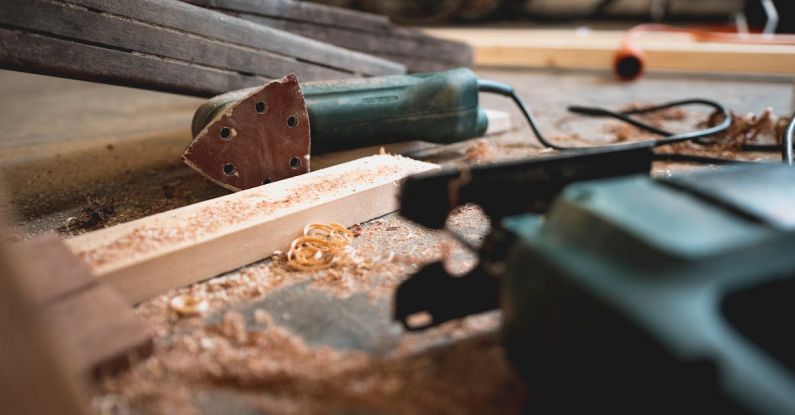
The finishing touches can transform a good woodworking project into a great one. Sanding your project thoroughly to remove any rough edges or imperfections is essential for a smooth and professional finish. Consider staining or painting your project to enhance its appearance and protect the wood from damage. Experiment with different finishes to find the perfect one for your project, whether it’s a natural wood finish or a vibrant paint color.
Embracing Mistakes and Learning Opportunities
Woodworking is a skill that takes time and practice to master, so don’t be discouraged by mistakes along the way. Embrace each error as a learning opportunity and a chance to improve your skills. Take the time to analyze what went wrong and how you can avoid similar mistakes in the future. Remember that every woodworker, no matter their experience level, has faced challenges and setbacks—it’s all part of the learning process.
In conclusion, starting a DIY woodworking project can be a fulfilling and enjoyable experience with the right knowledge and tools. By understanding the basics of woodworking, choosing the right wood, mastering essential techniques, and prioritizing safety, you can embark on your woodworking journey with confidence. Embrace mistakes as learning opportunities and enjoy the process of creating beautiful and functional pieces with your own hands.