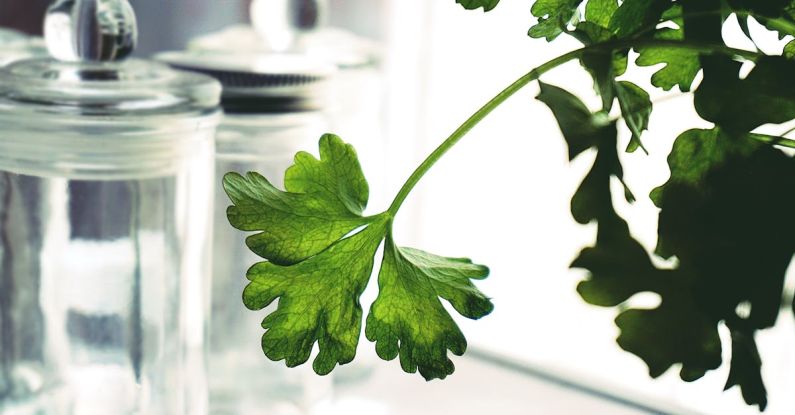
Cultivating an Organic Kitchen Garden
Transforming your backyard into a flourishing organic kitchen garden is not only a rewarding experience but also a sustainable way to ensure a fresh supply of herbs, fruits, and vegetables. By following a few simple steps and dedicating some time and effort, you can create a bountiful garden that not only enhances the aesthetics of your home but also provides you with healthy, pesticide-free produce.
Choosing the Right Location
Selecting the ideal location for your organic kitchen garden is crucial to its success. Look for an area that receives ample sunlight, preferably six to eight hours a day, as most plants require sunlight for photosynthesis and growth. Ensure that the location has good drainage to prevent waterlogging, which can lead to root rot and other issues. Additionally, proximity to a water source is essential for easy irrigation.
Preparing the Soil
Before you start planting, it is essential to prepare the soil to provide your plants with the nutrients they need to thrive. Begin by removing any weeds, rocks, or debris from the area. Incorporate organic matter such as compost, manure, or leaf mulch into the soil to improve its structure and fertility. This will help retain moisture, promote beneficial microbial activity, and provide essential nutrients for plant growth.
Choosing the Right Plants
When selecting plants for your organic kitchen garden, consider your climate, soil type, and available space. Opt for a mix of herbs, fruits, and vegetables that you and your family enjoy eating. Choose varieties that are well-suited to your region and are resistant to common pests and diseases. Additionally, consider planting companion plants that support each other’s growth and deter pests naturally.
Planting and Maintaining Your Garden
Once you have prepared the soil and selected your plants, it’s time to start planting. Follow the spacing recommendations for each plant to ensure they have enough room to grow and access to sunlight and nutrients. Water your plants regularly, preferably in the morning to reduce evaporation and prevent fungal diseases. Mulch around the base of your plants to retain moisture, suppress weeds, and regulate soil temperature.
Organic Pest and Disease Control
In an organic kitchen garden, it is essential to manage pests and diseases naturally without the use of synthetic chemicals. Encourage beneficial insects such as ladybugs, lacewings, and parasitic wasps that prey on common garden pests. Planting aromatic herbs like basil, mint, and dill can help repel pests and attract pollinators. Regularly inspect your plants for signs of pests and diseases and take prompt action to prevent infestations.
Harvesting and Enjoying Your Produce
As your plants grow and mature, you will be rewarded with a bountiful harvest of fresh, organic produce. Harvest your fruits and vegetables when they are ripe to enjoy them at their peak flavor and nutritional content. Store excess produce in a cool, dark place or preserve them by freezing, canning, or drying. Experiment with different recipes and culinary creations to make the most of your homegrown bounty.
Sustainable Practices and Continuous Learning
To ensure the long-term success of your organic kitchen garden, practice sustainable gardening techniques such as crop rotation, composting, and water conservation. Continuously educate yourself about organic gardening practices, attend workshops, and connect with other gardeners to exchange knowledge and experiences. Embrace the journey of learning and adapting to create a thriving and eco-friendly garden that nourishes both your body and soul.
In conclusion, cultivating an organic kitchen garden is a fulfilling and sustainable way to connect with nature, promote biodiversity, and enjoy the pleasures of homegrown produce. By following these simple steps and dedicating time and effort to your garden, you can create a vibrant oasis of greenery and abundance right in your backyard. Start small, be patient, and let your garden flourish organically, one plant at a time.