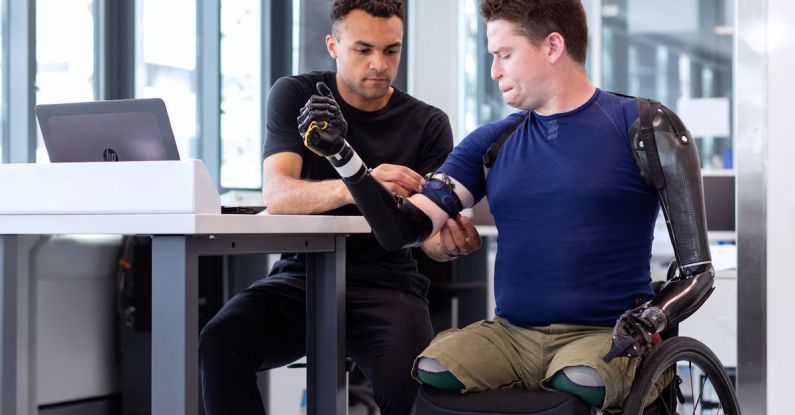
The Future of Robotics in Healthcare
Advancements in technology are revolutionizing the way healthcare is delivered, with robotics playing an increasingly significant role in the industry. The integration of robotics in healthcare has opened up a new realm of possibilities, from assisting in surgeries to enhancing patient care and improving overall efficiency in medical facilities. As the field of robotics continues to evolve, the future of robotics in healthcare looks promising, with the potential to transform the way we approach healthcare services.
**Enhanced Surgical Precision**
One of the most notable contributions of robotics in healthcare is its impact on surgical procedures. Robotic surgical systems, such as the da Vinci Surgical System, have enabled surgeons to perform minimally invasive surgeries with enhanced precision and control. These systems utilize robotic arms controlled by surgeons to perform complex procedures with greater accuracy, reducing the risk of human error and improving patient outcomes. The incorporation of robotics in surgery not only benefits patients with faster recovery times and reduced complications but also offers surgeons a more ergonomic and intuitive way to operate.
**Improved Patient Care**
Robotics in healthcare is not limited to surgical applications; it also plays a crucial role in enhancing patient care. Robots are being used in various healthcare settings to assist with tasks such as medication management, patient monitoring, and rehabilitation. For example, robotic exoskeletons are being employed to help patients regain mobility and strength after injuries or surgeries, offering a more personalized and effective approach to rehabilitation. Additionally, robotic devices can provide continuous monitoring of patients’ vital signs, ensuring timely interventions and improving overall patient safety.
**Efficiency and Automation**
The integration of robotics in healthcare has the potential to streamline processes and improve efficiency in medical facilities. Robotic systems can automate repetitive tasks, such as medication dispensing and inventory management, freeing up healthcare professionals to focus on more complex and critical aspects of patient care. By reducing the burden of manual tasks, robotics can help healthcare facilities operate more smoothly and cost-effectively, ultimately leading to better outcomes for both patients and providers.
**Telemedicine and Remote Healthcare**
Advancements in robotics are also driving the growth of telemedicine and remote healthcare services. Telemedicine platforms equipped with robotic technology allow healthcare providers to remotely interact with patients, conduct virtual consultations, and even perform certain procedures from a distance. This technology has proved especially beneficial in reaching underserved populations in remote areas, providing access to quality healthcare services that were previously out of reach. As the demand for telemedicine continues to rise, robotics will play a crucial role in expanding and improving remote healthcare delivery.
**Challenges and Ethical Considerations**
While the future of robotics in healthcare holds great promise, it also presents challenges and ethical considerations that need to be addressed. Concerns about data security, patient privacy, and the potential for job displacement due to automation are some of the key issues that must be carefully navigated. Additionally, ensuring that robotic systems are designed and implemented ethically, with a focus on patient safety and well-being, is crucial to realizing the full potential of robotics in healthcare.
**Looking Ahead: The Evolution of Robotics in Healthcare**
As technology continues to advance at a rapid pace, the evolution of robotics in healthcare is set to transform the industry in profound ways. From robotic-assisted surgeries to AI-powered diagnostic tools and robotic companions for elderly care, the possibilities are endless. By embracing and leveraging the power of robotics, the future of healthcare holds the promise of improved patient outcomes, enhanced efficiency, and greater accessibility to quality care for all. As we move forward, it is essential to approach the integration of robotics in healthcare with a thoughtful and ethical mindset, ensuring that technology serves to enhance, rather than replace, the human touch in healthcare delivery.