Exploring the Power of Renewable Energy Technologies
As the world continues to grapple with the consequences of climate change and the depletion of finite resources, the importance of renewable energy technologies cannot be overstated. With the potential to provide a sustainable and environmentally friendly alternative to traditional fossil fuels, these innovations are paving the way for a cleaner and greener future. Let’s delve into the fascinating world of renewable energy technologies and explore the power they hold in shaping our world for the better.
Harnessing the Sun’s Energy
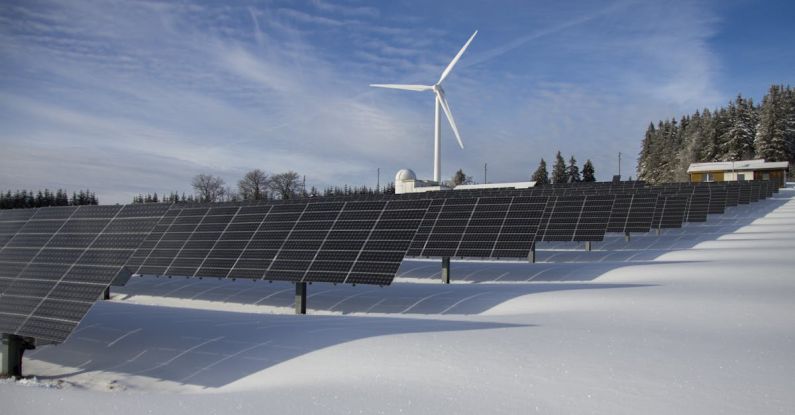
One of the most prominent forms of renewable energy is solar power, which harnesses the abundant energy of the sun to generate electricity. Solar panels, made up of photovoltaic cells, capture sunlight and convert it into usable electricity through a process known as the photovoltaic effect. This technology has seen significant advancements in recent years, with more efficient panels being developed and integrated into a variety of applications, from residential rooftops to large-scale solar farms. The scalability and versatility of solar power make it a key player in the transition to a more sustainable energy system.
Tapping into Wind Power
Another important player in the renewable energy landscape is wind power. Wind turbines harness the kinetic energy of wind to generate electricity, with larger turbines capable of producing significant amounts of power. Offshore wind farms, in particular, have seen a surge in popularity due to their higher wind speeds and lower visual impact compared to onshore installations. The development of more efficient turbine designs and grid integration technologies has further solidified wind power as a viable and cost-effective energy source.
The Promise of Hydropower
Hydropower, generated from the energy of flowing water, has long been a reliable source of renewable energy. By harnessing the power of rivers and dams, hydropower plants can generate electricity on a large scale. In addition to providing clean energy, hydropower also offers benefits such as flood control, irrigation, and water supply. While the environmental impact of large dams has raised concerns, innovations in small-scale hydropower and run-of-river systems are offering more sustainable alternatives.
Exploring Geothermal Energy
Geothermal energy taps into the heat stored beneath the Earth’s surface to produce electricity and heat buildings. By drilling wells into geothermal reservoirs, hot water and steam can be brought to the surface to drive turbines and generate power. Geothermal energy is a reliable and constant source of renewable energy, offering a stable supply of electricity with minimal environmental impact. As technology advances, the potential for geothermal energy to play a larger role in the energy mix continues to grow.
The Rise of Biomass Energy
Biomass energy utilizes organic materials such as wood, crop residues, and waste to produce heat, electricity, and biofuels. By converting these materials into energy through processes like combustion and gasification, biomass offers a renewable alternative to fossil fuels. In addition to reducing greenhouse gas emissions, biomass energy can also help manage waste streams and support local economies. With sustainable sourcing practices, biomass energy has the potential to be a valuable component of a diversified energy portfolio.
Looking Ahead: The Future of Renewable Energy Technologies
As we look to a future powered by renewable energy, the potential for innovation and growth in this sector is vast. Advances in energy storage, grid integration, and digital technologies are paving the way for a more flexible and resilient energy system. By investing in renewable energy technologies and fostering a culture of sustainability, we can work towards a cleaner, greener future for generations to come. The power of renewable energy technologies to transform our world is undeniable, and it is up to us to embrace and harness this potential for the benefit of all.